Radio & Podcast Course | Berlin
Radio & Podcast Course
With the emergence of online radio stations and music platforms, modern day technology allows people to host their own radio show or podcast from the comfort of their home. So whether you're a DJ, a producer or even a complete beginner, this course has everything you need to produce and sell your own radio show or podcast. If you make the grade after assessment, you will be invited to host a guest spot on Wild1 Radio, which could lead to a permanent radio show. To learn more and request information on the schedule, click here.
In Berlin the Radio & Podcast Course is taught by producers working in one of the world's best-known electronic music cities. Classes are small and hands-on at our studio, and the same sessions can be attended live online, using our specialist music collaboration software, Muse. Discover qualities that distinguish us, here.
Introduction and Equipment
- →Different types of radio shows.
- →DJ and radio history.
- →Regulations and laws about music copyrights.
- →What you need to produce a radio show?
- →What’s the difference between a radio show, a podcast, and a classic DJ mix?
Building Your Show
- →Find relevant topics to discuss.
- →Lay down your voice on a beat.
- →Prepare an interview.
- →Conduct an interview.
- →Find a guideline to your show.
- →Write a detailed show outline.
DJ Skills
- →Creating playlists.
- →All about cue points.
- →All about radio/DJ tags in your mixes.
- →How to do a music transition.
Production Skills
- →Producing your own Radio/DJ tag.
- →Recording with Serato or Traktor.
- →Record your mixes and voice on your DAW.
- →Recording and mixing levels on your DAW.
The Art of Talking into the Microphone
- →Apply FX on your voice.
- →All about microphones.
- →Test and adjust microphone levels.
- →How to talk in a microphone to set the mood.
Your First Show
- →Recording your pilot show.
- →Post production and edits.
- →Mastering.
Sell Yourself
- →Select the right platform to put your show on.
- →Getting yourself out there.
- →Radio and podcast SEO.
- →Find a catchy name for your show.
Student reviews.
“It was great and totally hands-on. I understood exactly what I needed, and the instructor was patient, quick, totally sorted out my computer as well. I like that I was able to use the time I had in LA to learn something I have been wanting to for a while. When I started my conversation with admissions, I was quite confused, but he sorted me out. I think for someone who might be trying to make their mind up, the guidance provided by the school could be very helpful in planning their moves!”
Anushka Manchanda
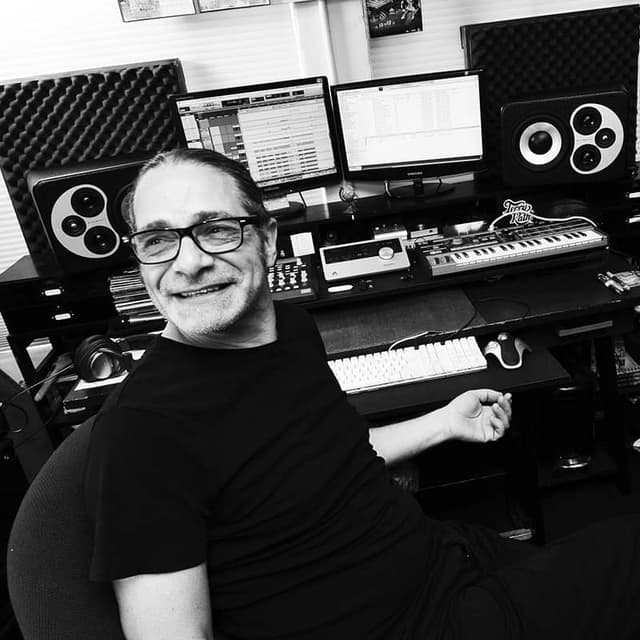
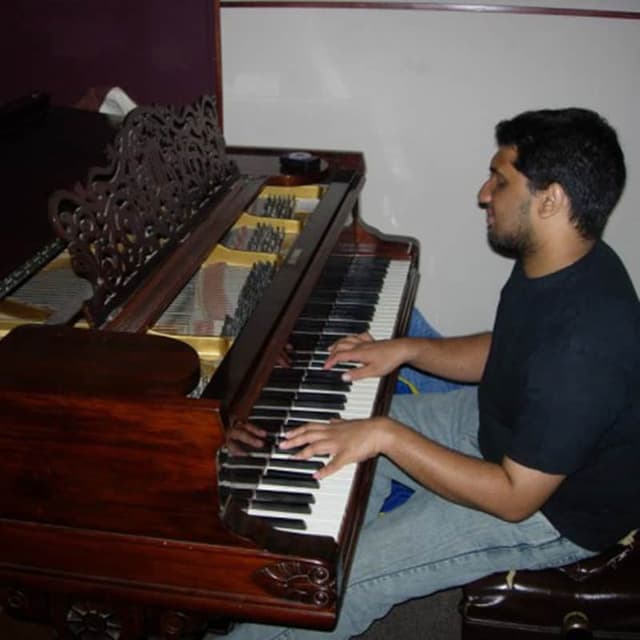
Instructors
Common questions, answered.
That's explicitly covered early on - the course distinguishes between a radio show, a podcast, and a classic DJ mix before building your own format.
Music transitions, playlist building, cue points, and using radio/DJ tags in your mixes.
18 hours, or 11 hours as 1-on-1 instruction.
Yes - strong students are invited to a guest spot on Wild1 Radio after assessment.
Yes - "Your First Show" covers recording your pilot, post-production edits, and mastering it.
Yes - regulations and laws around music copyright are covered in the introduction.
€599 + €100 Registration if booked 14 days before start or €699 + €200 Registration
Let's get you started.
InquireWhy Garnish?
Don’t Call it a Comeback – The Return of Vinyl | Record Store Day
Written On Record Store Day by Devious Soul There was a time when the happiest days of many a DJs life was getting home with a fresh stack of unopened wax. Carefully selecting the tunes in the record shop, ensuring you had enough cash for the double pack, wondering what treasures were lurking under
Read →Sampling Frequencies & Bit Rates: 96 v 44.1Khz & 24 v 16bit
Sampling Frequencies & Bit Rates: 96 v 44.1Khz & 24 v 16bit by Stephen Powell I had a conversation recently with a guy who described himself as a “glitch-dubstep-lo-fi composer” He went on to describe a couple of his tracks which turned out to be pretty much what you might expect from such a descrip
Read →Capture with Push
Capture retroactively records the MIDI you just played, so an improvisation you never hit record for isn't lost. How it works, and its limits.
Read →Beginners Guide to Compression
Beginners Guide to Compression By Katie Gilchrest Compression can seem daunting to someone just starting out in the audio production world, but after only understanding a few concepts, the process becomes easier. Use compression to make your mixes sound more professional, polished, energetic and pal
Read →Social Media Marketing Tips For Your Music
Social Media Marketing Tips For Your Music While the goal is to work full-time in the music business, unfortunately, that’s just not the case with most artists, producers, and other industry professionals. Most of us are juggling a job education, a family or even just a combination. Sadly, artists a
Read →Which DAW is better – Logic, Pro Tools, FL, Ableton or Cubase?
When I very first started in the early-nineties, we all used Atari STs with a whole 512k of Ram for sequencing MIDI and not much else. All the audio was dealt with using 24 track 2" tape, with up to 3 slaved together synchronised using lynx synchronisers. Back then for sampling, we had the classic A
Read →